The Art Of Therapeutic Massage
Therapeutic massage is a
practice that involves manipulating the body's soft tissues to promote
relaxation, relieve muscle tension, and improve overall well-being. It is
considered an art form because it requires skill, intuition, and an
understanding of the human body. Here are some key aspects to explore when
considering the art of therapeutic massage. Therapeutic massage experience our
exclusive massage near the Austin.

1. Techniques : - Therapeutic massage encompasses a wide range of techniques, each with its own purpose
and benefits. Some common techniques include Swedish massage, deep tissue
massage, trigger point therapy, myofascial release, and sports massage. Skilled
massage therapists combine these techniques to create a customized session
tailored to the individual's needs.
2. Intuition and Sensitivity
: - A talented massage
therapist possesses a heightened sense of touch and intuition. They can read
the client's body and respond to its cues, adapting their technique and
pressure according. They use their hands and fingers to detect areas of
tension, knots, or instability within the muscles and tissues.
3. Body Awareness : - A fundamental aspect of the art of
therapeutic massage is having a deep understanding of human anatomy and
physiology. Massage therapists must have knowledge of the body's structure,
including muscles, bones, joints, and connective tissues. This knowledge allows
them to target specific areas of discomfort or imbalance and employ techniques
that promote healing and relaxation.
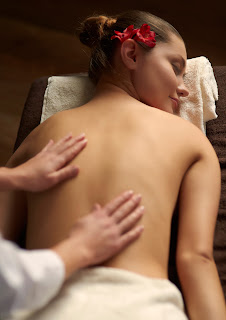
4. Creating an Environment :
- The ambiance and
environment in which the massage takes place greatly influence the overall
experience. Skilled therapists pay attention to factors such as lighting,
temperature, soothing music, and aromatherapy to create a calming atmosphere
that enhances the therapeutic benefits of the massage.
5. Communication and Trust :
- The art of therapeutic
massage involves effective communication between the therapist and the client.
Therapists must listen to the client's concerns, preferences, and any specific
areas of focus. Establishing trust and open communication uses the therapist
tailor the massage to meet the client's needs and ensures a comfortable and
relaxing experience.
6. Flow and Rhythm : - A well-executed massage involves
fluidity, rhythm, and seamless transitions between different techniques.
Skilled massage therapists maintain a steady and consistent pace, creating a
sense of harmony throughout the session. This flow allows the client to relax
deeply and promotes a state of balance and well-being.
7. Presence and Mindfulness :
- During a therapeutic
massage, the therapist's presence and mindfulness play a crucial role. Being
fully present in the moment enables the therapist to tune in to the client's
energy and provide a nurturing and healing experience. Mindfulness also helps
the therapist maintain proper body mechanics, preventing strain or fatigue
during the massage.
8. Continuing Education and Professional Development : - The art of therapeutic massage requires ongoing learning and professional development. Massage therapists often pursue additional certifications, attend workshops, and stay updated on the latest research and techniques. This commitment to learning helps them refine their skills and offer the best possible care to their clients.
Therapeutic massage is a
multifaceted art that combines technical knowledge, intuition, and empathy. A
skilled massage therapist creates a space for healing, relaxation, and
rejuvenation, fostering a deep connection between the body, mind, and spirit.


Comments
Post a Comment